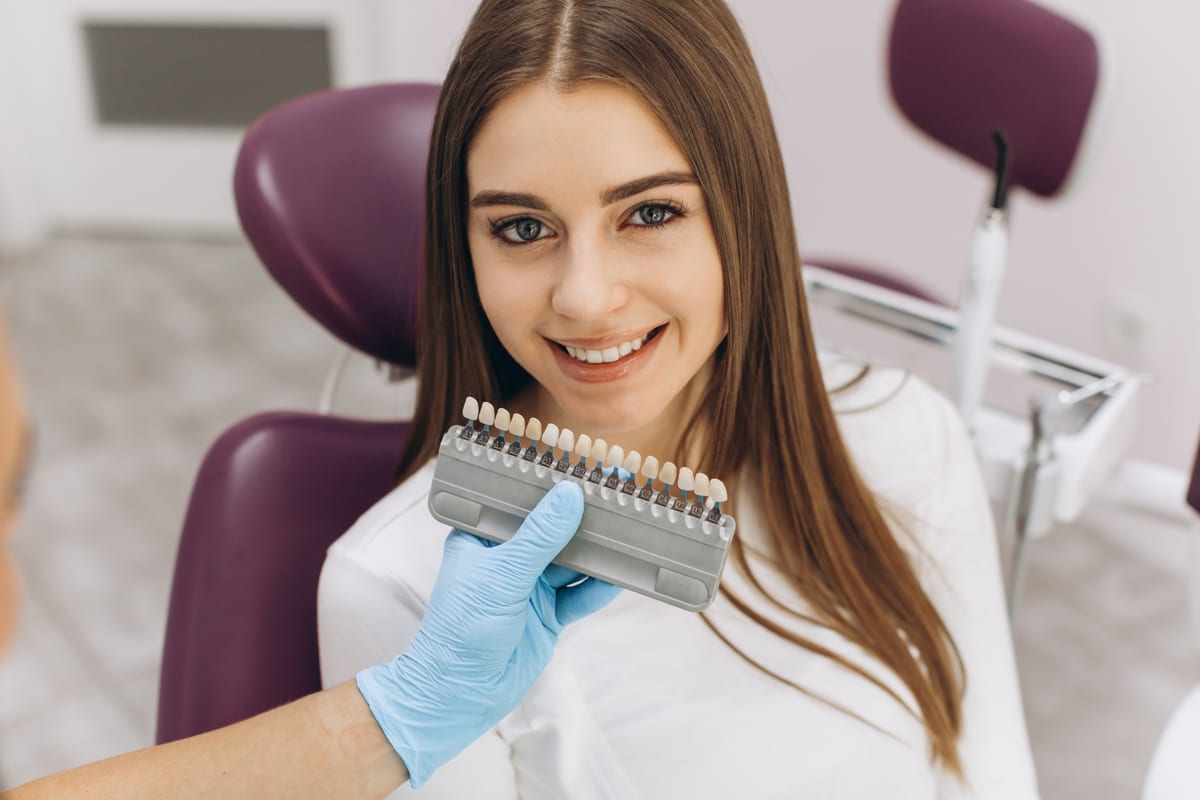

You invested time and money into a brighter smile. Now you want it to last. The good news is that your whitening results don’t have to fade — and here’s why Austin patients often see longer-lasting outcomes when they understand what works against them. Dr. Glen Wainwright at Austin Dental Care helps patients protect their results every day. This guide walks you through what to expect and how to keep your smile looking its best.
How Long Do Teeth Whitening Results Actually Last in Austin?
Most professional whitening treatments last between six months and two years. That wide range depends almost entirely on your daily habits. Patients who follow a maintenance routine consistently sit closer to the two-year end. Those who return to old habits often see fading within three to four months.
At-home whitening kits from the store typically fade faster. Professional treatments from a dental office use stronger, more stable bleaching agents. Those agents penetrate deeper into enamel, which means results hold up longer under normal conditions.
It is also worth noting that your natural tooth shade matters. Patients with heavily stained teeth may need touch-ups sooner. Your starting point affects your finish line.
The Habits That Shorten Your Whitening Results
Certain foods and drinks are the biggest enemies of white teeth. Coffee, red wine, and tea contain dark pigments called tannins. These pigments bind to enamel quickly and begin reversing your whitening results within days of consistent exposure.
Smoking and tobacco use cause some of the most stubborn staining. Nicotine and tar leave yellow and brown deposits on the surface of your teeth. These stains do not respond well to surface cleaning alone. Smokers almost always see faster fading after whitening treatment.
Here are the most common habits that accelerate whitening fade:
- Drinking coffee or tea daily without rinsing afterward
- Consuming red wine or dark fruit juices frequently
- Smoking cigarettes or using tobacco products
- Eating deeply pigmented foods like berries, soy sauce, or tomato-based sauces
- Skipping your dental hygiene routine at night
The pattern matters more than occasional indulgence. Drinking one cup of coffee a day is very different from drinking three. Small adjustments to frequency can make a measurable difference over time.
Practical Tips to Maintain Your Whitening Results Longer
The most effective maintenance habit is also the simplest. Rinse your mouth with water immediately after consuming staining foods or drinks. This flushes pigments off your teeth before they have time to bind to enamel.
Use a whitening toothpaste two to three times per week. Daily use can wear down enamel over time, so moderation matters. A gentle whitening formula helps remove surface stains without damaging tooth structure.
Here is a simple maintenance routine that works well for most Austin patients:
- Rinse with water after every staining beverage
- Brush with a soft-bristle toothbrush twice daily
- Use whitening toothpaste two to three times per week
- Floss every night to remove plaque that traps pigment
- Schedule a professional cleaning every six months
- Consider a touch-up whitening treatment once or twice a year
Drinking through a straw also helps. It reduces direct contact between staining liquids and your front teeth. It sounds like a small change, but it adds up significantly over months.
Why Professional Dental Support Makes a Real Difference
Home maintenance only goes so far. Partnering with a dental team gives you tools that over-the-counter products simply cannot match. Professional cleanings remove built-up tartar and surface stains that toothbrushes miss entirely. This keeps your baseline brightness higher between whitening sessions.
Dr. Glen Wainwright and the team at Austin Dental Care provide General Dentistry Austin patients rely on for comprehensive oral health care. Routine visits allow Dr. Wainwright to monitor your enamel health and recommend the right whitening schedule for your specific situation.
Some patients also have underlying dental concerns that affect how long whitening lasts. Issues like teeth grinding, which connects to jaw tension, can increase wear on enamel and accelerate staining. If jaw pain or grinding is a concern, Tmj Treatment Austin options are available at the practice and may be worth discussing during your visit.
Custom whitening trays made by your dentist also outperform store-bought versions. They fit your teeth precisely, distribute the whitening gel evenly, and reduce gum irritation. That precision translates directly into better and longer-lasting results.
When to Schedule a Touch-Up Whitening Treatment
Most patients benefit from a touch-up once or twice a year. The right timing depends on your daily habits and how sensitive your teeth are. If you notice your smile looking noticeably duller, that is a clear signal to book a session.
Do not wait until staining becomes severe. Light staining responds much faster to treatment than deep discoloration. Staying ahead of the fade is always easier than reversing significant buildup.
Austin has a vibrant food and coffee culture, which means staining exposure is a real part of daily life here. Building touch-ups into your regular dental schedule keeps your results consistent without dramatic intervals of fade and refresh.
Talk to Dr. Wainwright about a personalized whitening maintenance plan. Every patient has different habits, different enamel sensitivity, and different goals. A tailored approach always delivers better outcomes than a one-size-fits-all product from the pharmacy shelf.
Conclusion: Keep Your Smile Bright with the Right Support
Your whitening results don’t have to fade — here’s why Austin patients who stay consistent with professional dental care see the biggest difference. Small daily habits, routine cleanings, and the right maintenance schedule protect your investment for months and years. Dr. Glen Wainwright at Austin Dental Care is here to help you build that plan. Book Now to schedule your appointment with our team.
Frequently Asked Questions
How long do professional teeth whitening results last?
Professional whitening results typically last between six months and two years. The exact duration depends on your daily habits, diet, and how consistently you follow a maintenance routine. Patients who avoid staining foods and schedule regular cleanings tend to see the longest-lasting results.
Does coffee really affect teeth whitening results?
Yes, coffee is one of the most common causes of whitening fade. It contains tannins that bind to tooth enamel quickly. Rinsing with water immediately after drinking coffee and limiting daily intake can significantly slow the staining process.
Can I whiten my teeth if I smoke?
Whitening is possible for smokers, but results fade much faster due to nicotine and tar deposits on enamel. Quitting or reducing tobacco use dramatically improves how long whitening results last. Dr. Wainwright can recommend a more frequent touch-up schedule if needed.
How often should I schedule whitening touch-ups?
Most patients benefit from one to two touch-up treatments per year. The right frequency depends on your diet, habits, and enamel sensitivity. Speaking with your dentist helps you find the schedule that keeps your smile consistently bright without over-treating your teeth.
Is professional whitening better than store-bought kits?
Professional whitening uses stronger, more stable bleaching agents that penetrate deeper into enamel. Custom-fitted trays from your dentist also distribute the gel more evenly than generic kits. This combination typically produces brighter results that last noticeably longer than over-the-counter options.