
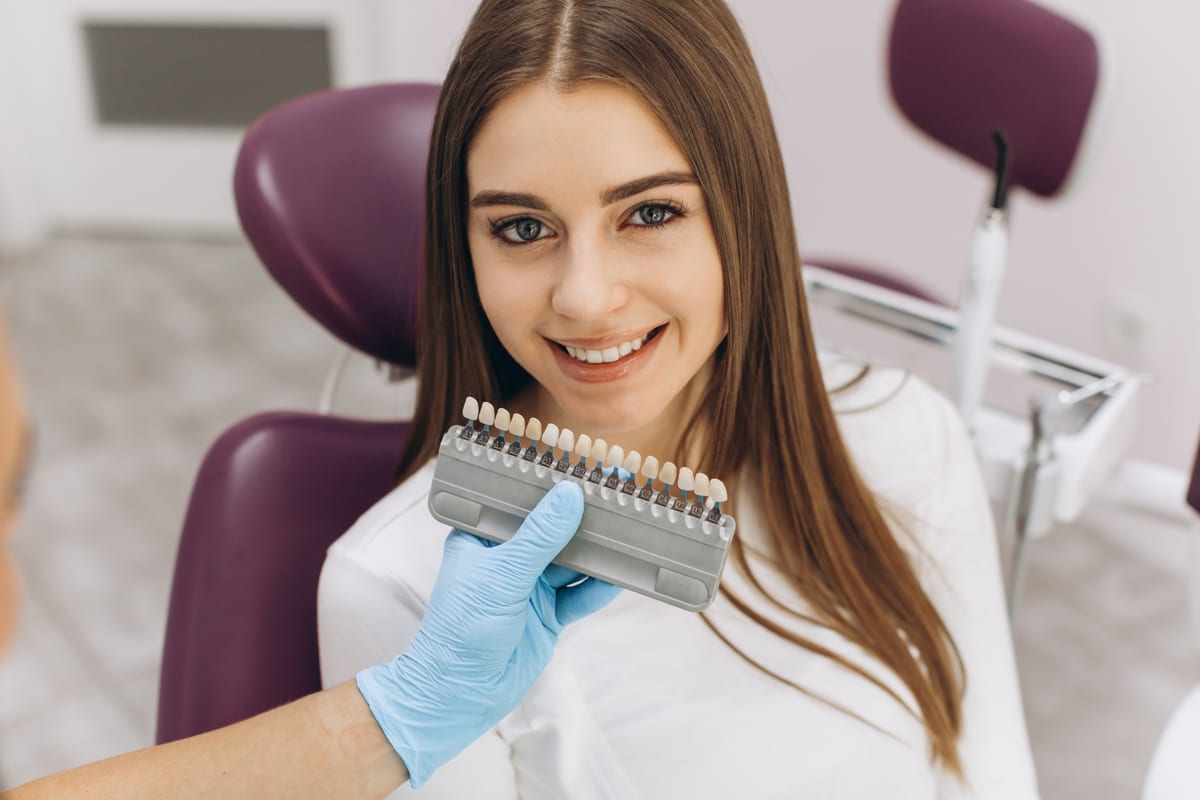
When it comes to improving your smile, two treatments come up often: veneers and dental bonding. Choosing between them depends on cost, longevity, invasiveness, and the results you want. Understanding veneers vs. bonding — which lasts longer and costs less in Austin — can help you make the right call. Dr. Glen Wainwright at Austin Dental Care helps patients weigh these options every day.
Both treatments can dramatically improve the look of chipped, stained, or uneven teeth. But they work very differently. This guide breaks down each option so you can decide with confidence.
What Are Veneers and How Do They Work?
Veneers are thin shells of porcelain or composite resin. A dentist bonds them to the front surface of your teeth. They cover imperfections like stains, chips, gaps, and mild misalignment. Porcelain veneers are the most durable and natural-looking option available.
Getting veneers typically requires two or three visits. Your dentist removes a small amount of enamel first. This step makes the procedure largely irreversible. Once placed, porcelain veneers can last 10 to 20 years with proper care.
Composite veneers are a middle-ground option. They cost less than porcelain but require more maintenance. They typically last 5 to 7 years before needing replacement or repair.
What Is Dental Bonding and Who Is It Best For?
Dental bonding uses a tooth-colored composite resin applied directly to the tooth. The dentist shapes and hardens it using a special light. It is one of the least invasive cosmetic dental procedures available. No enamel removal is required in most cases.
Bonding works well for minor chips, small gaps, discoloration, and short teeth. It is completed in a single visit, making it highly convenient. As part of General Dentistry Austin services, bonding is accessible and affordable for many patients.
The trade-off is durability. Dental bonding typically lasts 3 to 10 years. It is also more prone to staining and chipping than porcelain veneers. However, repairs are simple and relatively inexpensive.
Veneers vs. Bonding: Cost, Longevity, and Invasiveness Compared
Cost is often the deciding factor for Austin patients. Here is how the two options compare side by side.
- Dental Bonding Cost: Typically $300–$600 per tooth in Austin
- Composite Veneer Cost: Typically $500–$1,000 per tooth
- Porcelain Veneer Cost: Typically $1,000–$2,500 per tooth
- Bonding Lifespan: 3–10 years depending on care and location
- Composite Veneer Lifespan: 5–7 years with proper maintenance
- Porcelain Veneer Lifespan: 10–20 years with good oral hygiene
Bonding is clearly the more affordable upfront choice. But veneers may cost less over time because they last much longer. A full set of porcelain veneers is a bigger investment — but one that rarely needs replacing for a decade or more.
Invasiveness is another key difference. Bonding does not require enamel removal. Porcelain veneers do. Once you choose porcelain veneers, that commitment is permanent. Bonding offers more flexibility if your smile goals change over time.
Which Option Delivers Better Results for Your Smile Goals?
The best choice depends on what you want to fix and how long you want results to last. Bonding suits patients with minor cosmetic concerns. It is ideal when the damage is small and you want a fast, affordable solution.
Veneers are better for patients seeking dramatic transformations. They resist staining better than composite resin. They also create a more uniform, polished appearance across multiple teeth. If you want a movie-star smile, veneers are the stronger option.
Here are key questions to ask yourself before choosing:
- Do I want results that last a decade or more?
- Am I comfortable with a minor, permanent change to my enamel?
- Is my cosmetic concern minor or more significant?
- Am I willing to invest more upfront for longer-lasting results?
- Do I need the work completed in a single visit?
Your answers will guide the decision. A consultation with Dr. Glen Wainwright gives you personalized guidance based on your specific teeth and goals.
Other Factors Austin Patients Should Consider
Lifestyle plays a big role in which treatment holds up best. Coffee drinkers and smokers may find bonding stains more quickly. Porcelain veneers resist surface staining far better over time. Patients who grind their teeth may damage both options — though veneers are generally more resilient.
Teeth grinding, also known as bruxism, is a common concern. It is often linked to jaw tension and TMJ issues. If you experience jaw pain or clicking, ask about Tmj Treatment Austin before committing to cosmetic work. Treating underlying issues first protects your investment.
Maintenance matters too. Both options require regular brushing, flossing, and dental checkups. Avoiding hard foods like ice and hard candy helps preserve bonding and veneers alike. With good habits, either treatment can perform well beyond its average lifespan.
Conclusion: Making the Right Choice in Austin
Both veneers and dental bonding can transform your smile. The right choice comes down to your budget, your timeline, and the extent of the changes you want. Bonding offers a fast, affordable entry point for minor fixes. Veneers deliver longer-lasting, more comprehensive results for patients ready to invest.
Dr. Glen Wainwright and the team at Austin Dental Care are here to help you navigate this decision. A personalized consultation makes the choice much clearer. Book Now to schedule your appointment with our team.
Frequently Asked Questions
Is dental bonding or veneers better for chipped teeth?
For a single minor chip, dental bonding is usually the faster and more affordable fix. It can be completed in one visit with no enamel removal. For more extensive damage or multiple teeth, veneers offer a longer-lasting and more uniform result. Dr. Glen Wainwright can assess your specific chip and recommend the best approach.
How long do veneers last compared to dental bonding in Austin?
Porcelain veneers typically last 10 to 20 years with proper care. Composite veneers last around 5 to 7 years. Dental bonding generally lasts 3 to 10 years depending on placement and daily habits. Veneers clearly win on longevity, though bonding is easier to repair when it does wear down.
Does dental bonding stain over time?
Yes, composite resin used in bonding is more porous than porcelain. It can absorb stains from coffee, tea, wine, and tobacco over time. Regular polishing during dental cleanings helps. Porcelain veneers are much more resistant to staining, making them a better long-term choice for patients who consume staining foods or drinks frequently.
Can I switch from bonding to veneers later?
Yes, dental bonding does not permanently alter your enamel in most cases. This means you can transition to veneers later if your goals change. Keep in mind that getting porcelain veneers does require minor enamel removal at that stage. Discussing your long-term goals early helps you plan the most cost-effective path.
How do I know which treatment is right for me?
The best way to decide is through a professional consultation. Dr. Glen Wainwright evaluates the condition of your teeth, your cosmetic goals, and your budget. He then walks you through the pros and cons of each option for your specific situation. Austin Dental Care offers comprehensive cosmetic consultations to help you feel confident in your choice.