
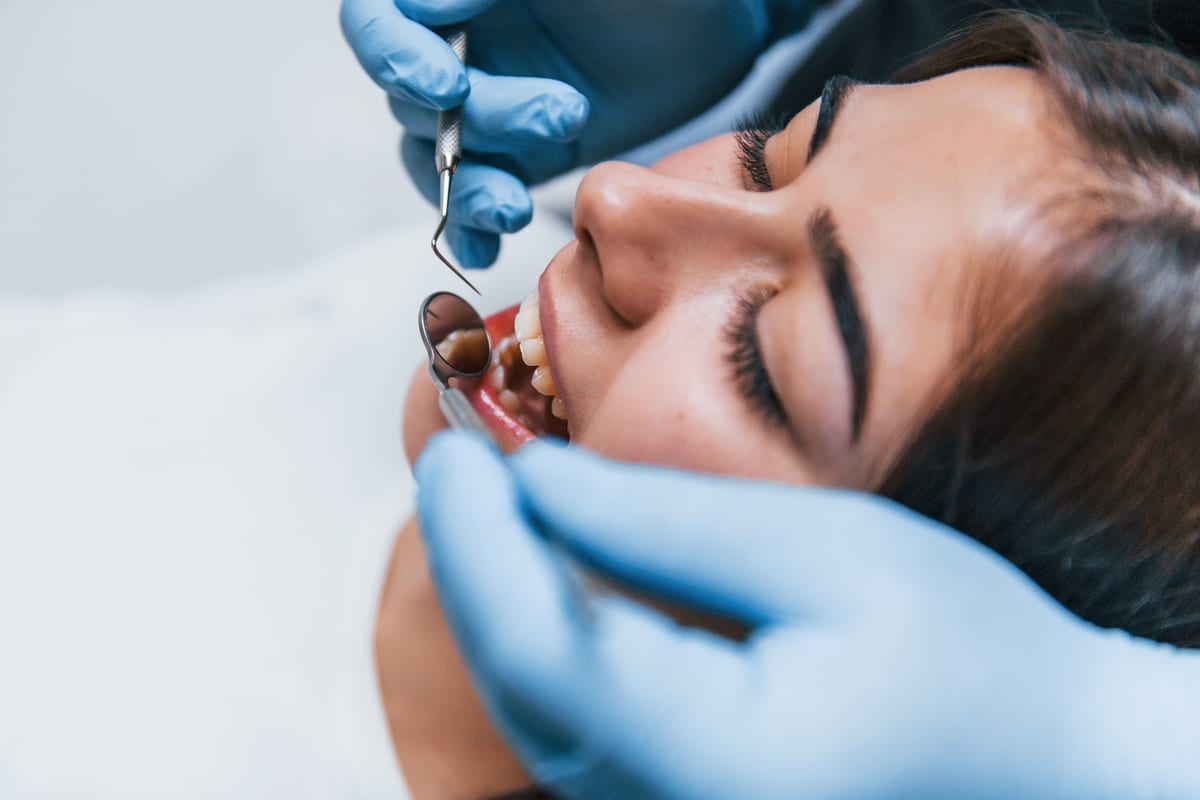
If your dentist has mentioned a deep cleaning, you might feel confused or even a little worried. Many Lost Creek patients ask the same question: what is the difference between a deep cleaning and a regular cleaning? Understanding deep cleaning vs regular cleaning and which your mouth actually needs can help you make informed decisions about your oral health. Dr. Glen Wainwright at Austin Dental Care is here to break it all down for you clearly and honestly.
What Happens During a Regular Dental Cleaning?
A regular dental cleaning is also called a prophylaxis. It is the standard cleaning most patients receive every six months. Your hygienist removes plaque and tartar from the surfaces of your teeth, both above and just at the gumline.
Regular cleanings are preventive in nature. They help stop gum disease before it has a chance to develop. They also include polishing your teeth and checking for early signs of decay or other concerns.
This type of cleaning works well when your gums are healthy. If you have no significant bone loss and your gum pockets measure four millimeters or less, a standard cleaning is likely all you need. General Dentistry visits like these form the foundation of long-term oral health.
What Makes a Deep Cleaning Different?
A deep cleaning goes much further than a standard prophylaxis. The clinical term is scaling and root planing. This procedure targets bacteria and tartar that have built up below the gumline, in areas a regular cleaning cannot reach.
During scaling, your hygienist carefully removes deposits from the root surfaces of your teeth. Root planing smooths those surfaces so bacteria have less surface area to cling to. This helps your gum tissue reattach to the tooth root over time.
Deep cleanings are typically completed in two appointments. Your dentist will treat one side of the mouth at a time. Local anesthesia is often used to keep the process comfortable throughout.
- Scaling removes tartar and bacteria below the gumline
- Root planing smooths rough root surfaces to discourage bacterial growth
- Treatment is divided into quadrants for patient comfort
- Local anesthesia makes the procedure much more tolerable
- Follow-up visits monitor healing progress after the procedure
How Do Dentists Decide Which Cleaning You Need in Lost Creek?
Your dentist uses several clinical measurements to determine the right type of cleaning for you. The most important tool is a periodontal probe. This small instrument measures the depth of the pockets between your gums and teeth.
Healthy gum pockets measure between one and three millimeters. Pockets measuring four millimeters may still respond to a regular cleaning. However, pockets of five millimeters or deeper usually indicate gum disease requiring a deep cleaning.
X-rays also play an important role. They reveal bone loss around the roots of your teeth that is not visible to the naked eye. Combined with probing measurements, X-rays give Dr. Wainwright a complete picture of your gum health.
Other signs that point toward needing a deep cleaning include:
- Gums that bleed regularly when you brush or floss
- Gums that look red, swollen, or feel tender
- Persistent bad breath that does not go away with brushing
- Teeth that appear longer because gums have pulled back
- Visible tartar buildup below the gumline on X-rays
Deep Cleaning vs Regular Cleaning: Why the Right Choice Matters
Choosing the right type of cleaning is not just about comfort. It directly affects the long-term health of your gums, teeth, and even your overall wellbeing. Gum disease has been linked to heart disease, diabetes complications, and other systemic health conditions.
If gum disease is present and only a regular cleaning is performed, bacteria will continue to damage bone and soft tissue. This can lead to tooth loss over time. A deep cleaning interrupts that process and gives your gums a real chance to heal.
On the other hand, if your gums are healthy, a deep cleaning is not necessary. Your dentist will only recommend it when clinical evidence supports the need. You can trust that the recommendation reflects your actual oral health status, not a routine upsell.
After a deep cleaning, most patients move to a maintenance schedule called periodontal maintenance. These visits occur every three to four months instead of six. They help sustain the progress made during treatment and prevent relapse.
What to Expect After Your Deep Cleaning in Lost Creek
Some mild soreness and sensitivity are normal after scaling and root planing. Your gums may feel tender for a few days. Over-the-counter pain relievers and saltwater rinses can provide relief during recovery.
Sensitivity to hot and cold foods is also common in the days following treatment. This usually fades within one to two weeks as gum tissue heals. Dr. Wainwright may recommend a desensitizing toothpaste to help manage this discomfort.
Most patients notice meaningful improvements within a few weeks. Gums become firmer and less prone to bleeding. Pocket depths often decrease as the tissue reattaches to healthier root surfaces.
Maintaining excellent home care after your deep cleaning is essential. Brushing twice daily and flossing every day will protect your results. Your follow-up periodontal maintenance appointments will help Dr. Wainwright track your healing closely.
Whether you need a routine cleaning or more advanced periodontal care, Austin Dental Care offers comprehensive services to support your oral health. We also offer Cosmetic Dentistry services for patients who want to enhance their smile once their gum health is stable.
Conclusion: Take the Next Step Toward Healthier Gums
Understanding the difference between a deep cleaning and a regular cleaning helps you take an active role in your oral health. If you are a Lost Creek patient unsure about where your gum health stands, the best first step is a thorough evaluation with Dr. Glen Wainwright. Early detection always leads to simpler, more effective treatment. Book Now to schedule your appointment with our team.
Frequently Asked Questions
Is a deep cleaning painful?
Most patients experience minimal discomfort during a deep cleaning because local anesthesia is used. You may feel some tenderness in the days after treatment, but this typically fades quickly with proper at-home care and over-the-counter pain relief.
How long does a deep cleaning take?
A deep cleaning is usually split into two appointments. Each session targets one side of the mouth and generally takes about one to two hours. Dividing the procedure keeps patients comfortable and allows for proper healing between visits.
Will my gum disease go away after a deep cleaning?
A deep cleaning significantly reduces bacteria and helps your gums begin healing. However, gum disease is a chronic condition that requires ongoing management. Regular periodontal maintenance appointments every three to four months are essential to prevent recurrence.
Can I go back to regular cleanings after a deep cleaning?
Most patients who have needed a deep cleaning transition to a periodontal maintenance schedule rather than returning to standard six-month cleanings. Your dentist will evaluate your gum health over time and adjust your care plan accordingly.
How do I know if I need a deep cleaning or a regular cleaning?
Only a dental professional can make that determination through a clinical examination. Your dentist will measure your gum pocket depths, review X-rays, and assess signs of gum inflammation. If you are unsure about your gum health, scheduling a comprehensive exam is the best place to start.