TMJ Treatment West Lake Hills: Comparing Your Options for Jaw Pain Relief
Jaw pain can make everyday activities challenging. When your temporomandibular joint (TMJ) causes discomfort, eating, talking, and even smiling become difficult. Residents of West Lake Hills seeking TMJ treatment in West Lake Hills have several effective options to explore. Understanding the differences between treatment approaches helps you make an informed decision about your care.
TMJ disorders affect millions of Americans each year. The temporomandibular joint connects your jawbone to your skull, acting like a sliding hinge. When this joint becomes inflamed or damaged, it creates pain that radiates through your jaw, face, and neck.
Dr. Glen Wainwright at Austin Dental Care helps patients understand their treatment choices. Each approach offers unique benefits depending on your symptoms and lifestyle. Let’s examine the most common TMJ treatment methods and how they compare.
Understanding TMJ Treatment West Lake Hills: Occlusal Splints and Night Guards
Occlusal splints and night guards represent the most common first-line treatment for TMJ disorders. These custom-fitted devices fit over your teeth to reduce grinding and clenching. They reposition your jaw to relieve pressure on the temporomandibular joint.
A custom splint from your dentist differs significantly from store-bought guards. Dr. Wainwright takes precise impressions of your teeth to create a device that fits perfectly. This ensures proper jaw alignment while you sleep or during stressful situations.
Many West Lake Hills residents experience increased jaw clenching during hot, humid months. The Texas climate can intensify stress levels, leading to more frequent teeth grinding. A properly fitted night guard protects your teeth and joints year-round.
Pros of Occlusal Splints
- Non-invasive treatment that requires no surgery or injections
- Custom-fitted devices provide superior comfort and effectiveness
- Protects teeth from grinding damage while treating TMJ symptoms
- Can be worn during sleep without disrupting rest
- Adjustable over time as your jaw position improves
- Covered by many dental benefit plans
Cons of Occlusal Splints
- Requires consistent nightly use to achieve results
- Initial adjustment period may cause mild discomfort
- Must be cleaned daily to prevent bacteria buildup
- May take several weeks to notice significant improvement
- Requires periodic dental visits for adjustments
Physical Therapy and Jaw Exercises as TMJ Treatment Alternatives
Physical therapy offers a holistic approach to TMJ treatment. A specialized physical therapist teaches you exercises that strengthen jaw muscles and improve joint mobility. This method addresses the root causes of TMJ dysfunction rather than just managing symptoms.
Therapeutic exercises include gentle jaw stretches, resistance training, and massage techniques. Your therapist may also use ultrasound therapy or electrical stimulation to reduce inflammation. These treatments work together to restore normal jaw function.
Combined treatment approaches often produce the best results. Many patients in West Lake Hills use both physical therapy and occlusal splints. This dual approach addresses mechanical issues while protecting teeth from grinding damage.
Pros of Physical Therapy for TMJ
- Addresses underlying muscle imbalances and postural issues
- Teaches self-management techniques for long-term relief
- Drug-free treatment with no side effects
- Improves overall jaw function and range of motion
- Can reduce or eliminate need for splints over time
- Strengthens muscles to prevent future TMJ problems
Cons of Physical Therapy for TMJ
- Requires multiple appointments over several weeks or months
- Demands daily commitment to home exercises
- Results vary based on individual compliance and condition severity
- May initially cause temporary soreness or discomfort
- Finding a TMJ-specialized therapist can be challenging
Lifestyle Modifications and Conservative Management Approaches
Conservative management focuses on lifestyle changes that reduce TMJ stress. This approach includes dietary adjustments, stress reduction techniques, and habit modification. Many patients find significant relief through these simple changes alone.
Soft food diets help rest your jaw joint during acute flare-ups. Avoiding hard, chewy, or crunchy foods reduces strain on the temporomandibular joint. This gives inflamed tissues time to heal naturally.
Stress management plays a crucial role in TMJ treatment. Many West Lake Hills professionals experience tension-related jaw clenching during busy work periods. As families prepare for prom, graduation, and end-of-school activities this spring, stress levels often increase. Learning relaxation techniques can significantly reduce jaw tension.
Pros of Lifestyle Modifications
- Zero cost for most interventions
- No medical devices or equipment required
- Empowers patients to take control of their health
- Benefits extend beyond TMJ to overall wellness
- Can be combined with any other treatment approach
- No side effects or risks involved
Cons of Lifestyle Modifications
- Requires significant self-discipline and motivation
- Results may take longer to appear than other methods
- May not provide sufficient relief for severe cases
- Difficult to maintain during stressful life periods
- Some changes may feel restrictive or inconvenient
How to Choose the Right TMJ Treatment for Your Needs
Selecting the best TMJ treatment depends on several personal factors. The severity of your symptoms, lifestyle demands, and treatment goals all influence your decision. Dr. Wainwright helps patients in West Lake Hills evaluate these factors during comprehensive consultations.
Consider starting with conservative approaches first. Many patients achieve relief through lifestyle changes and jaw exercises. If symptoms persist after several weeks, adding an occlusal splint often provides the additional support needed.
Your daily routine affects treatment success. Busy professionals may prefer night guards that work while they sleep. Active individuals might benefit more from physical therapy that improves jaw function during daytime activities.
Treatment timelines vary by method. Occlusal splints often provide relief within two to four weeks. Physical therapy typically requires six to eight weeks of consistent treatment. Lifestyle modifications may take longer but offer lasting benefits.
The location of your pain matters too. Facial pain, headaches, and ear discomfort respond differently to various treatments. A thorough evaluation helps identify which approach targets your specific symptoms most effectively.
When to Seek Professional TMJ Evaluation
Certain symptoms require prompt professional evaluation. Persistent jaw pain lasting more than two weeks warrants a dental examination. Difficulty opening your mouth fully or jaw clicking with pain also signals the need for treatment.
Early intervention prevents TMJ disorders from worsening. What starts as mild discomfort can progress to chronic pain and joint damage. Seeking care from experienced dental professionals protects your long-term oral health.
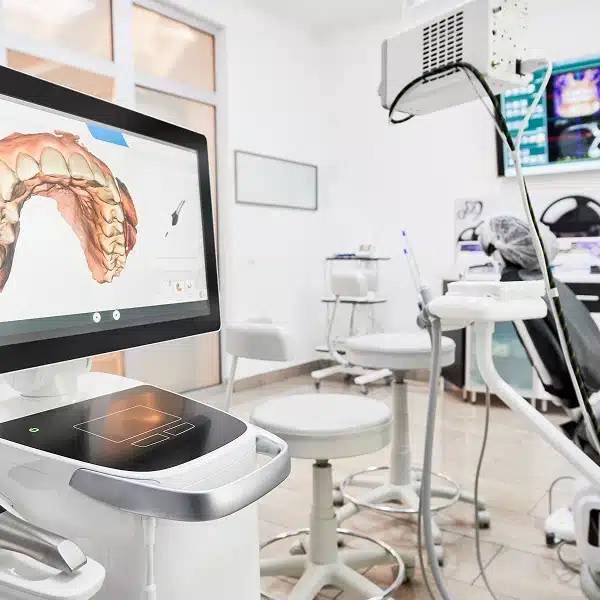
Dr. Wainwright uses advanced diagnostic tools to assess TMJ function. Digital imaging reveals joint positioning and any structural abnormalities. This thorough evaluation ensures accurate diagnosis and appropriate treatment planning.
Many West Lake Hills residents delay treatment due to busy schedules. However, addressing TMJ problems early often requires less intensive intervention. A simple night guard might prevent the need for more complex treatments later.
Treatment success improves with professional guidance. While home remedies help mild cases, moderate to severe TMJ disorders benefit from expert care. Combining professional treatment with self-care techniques produces optimal results.
Finding TMJ Treatment West Lake Hills Residents Trust
Austin Dental Care serves the West Lake Hills community with comprehensive TMJ solutions. Our practice combines evidence-based treatments with compassionate care. We understand how jaw pain affects your quality of life.
Dr. Wainwright takes time to explain each treatment option thoroughly. You’ll understand the pros and cons of every approach before making decisions. This collaborative process ensures your treatment aligns with your goals and preferences.
Our office welcomes patients from West Lake Hills, Barton Creek, Rollingwood, and Lost Creek. We’ve helped countless neighbors find relief from chronic jaw pain. Your comfort and health remain our top priorities throughout treatment.
Don’t let TMJ pain limit your daily activities. Whether you’re preparing for upcoming graduation celebrations or simply want to enjoy meals without discomfort, effective treatment is available. Professional care can restore comfortable jaw function and improve your quality of life. Learn More about how we can help you.
Frequently Asked Questions
How long does TMJ treatment typically take to work?
Treatment timelines vary by method and severity. Occlusal splints often provide noticeable relief within two to four weeks of consistent use. Physical therapy typically requires six to eight weeks before significant improvement occurs. Lifestyle modifications may take longer but offer sustainable results. Dr. Wainwright monitors your progress and adjusts treatment as needed to optimize outcomes.
Can I combine multiple TMJ treatment approaches?
Yes, combination therapy often produces the best results. Many patients use occlusal splints at night while practicing jaw exercises during the day. Adding stress management and dietary changes further enhances treatment effectiveness. Dr. Wainwright creates personalized treatment plans that may incorporate multiple approaches based on your specific needs and symptoms.
Will TMJ treatment require surgery?
Most TMJ disorders respond well to conservative treatments without surgery. Occlusal splints, physical therapy, and lifestyle modifications successfully treat the majority of cases. Surgery becomes necessary only for severe structural problems or when conservative methods fail after extended trials. Dr. Wainwright exhausts non-invasive options before considering surgical intervention.
What causes TMJ disorders to develop?
TMJ disorders stem from multiple factors including teeth grinding, jaw injuries, arthritis, and misaligned bites. Stress and anxiety often trigger jaw clenching that strains the joint. Poor posture, especially during computer use, contributes to TMJ problems. Some patients develop symptoms after dental work or oral surgery. Identifying your specific causes helps Dr. Wainwright tailor treatment effectively.
How do I know which TMJ treatment is right for me?
The best treatment depends on your symptoms, lifestyle, and condition severity. A comprehensive evaluation with Dr. Wainwright reveals the underlying causes of your TMJ disorder. During your consultation, we discuss your daily habits, pain patterns, and treatment preferences. This information guides the selection of approaches most likely to succeed for your unique situation.